What makes a word beautiful?
It could be…
The image it has. The feelings it’s associated with. The meaning. Or just how the word sounds.
So, in this guide, you’ll get the top Beautiful English Words… and their descriptions.
If you’re learning English, this guide will teach you a few cool words. If you’re not learning English, why are you here — this isn’t exactly for you.
You can also listen to the words below by pressing play…
1. Wilderness
(Noun)
Wilderness is one of my favorite English words.
It contains “wild.” And the “ness” is a nice sound.
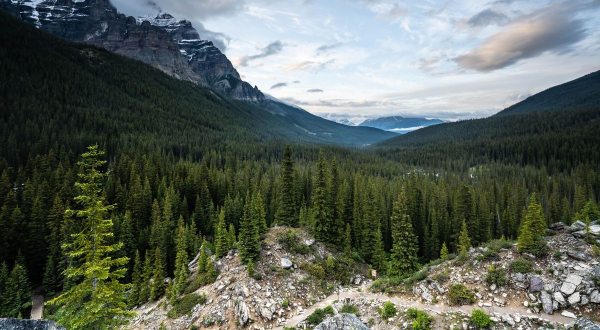
Wilderness is an area of land with no people and just nature. Think forests, untouched mountains, and wild landscapes.
2. Badlands
(Noun)
Badlands is a cool sounding word, isn’t it?
But, what does it mean?
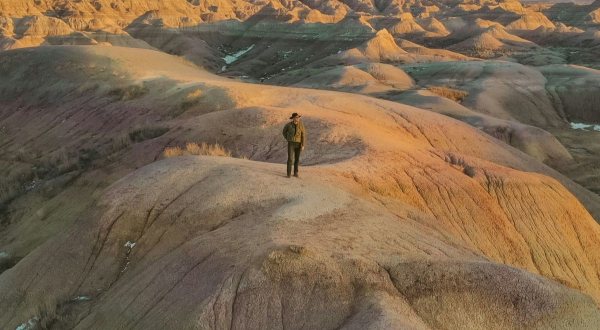
Badlands are dry terrains where softer sedimentary rocks and clay-rich soils have been extensively eroded. They have a rugged, dramatic beauty.
3. Petrichor

(Noun)
Petrichor is that pleasant, earthy smell after rain. If you go outside after a summer storm, you will smell this petrichor.
4. Solitude
(Noun)
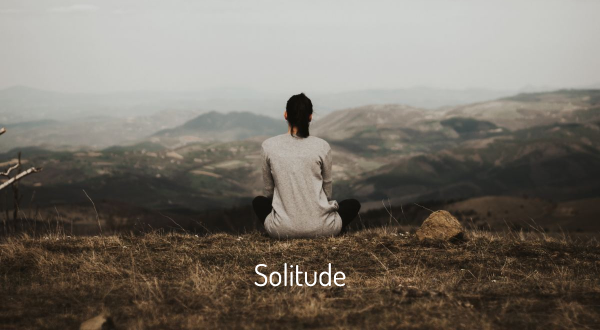
Solitude is being alone but feeling peaceful. Sitting by yourself in a quiet park is an example of solitude.
5. Luminous

(Adjective)
Luminous means full of light, bright and shining. A glowing moon can be considered luminous.
6. Iridescent

(Adjective)
Iridescent is when you see many bright, luminous colors that change with the angle. For example, a soap bubble can be iridescent.
8. Mirage
(Noun)
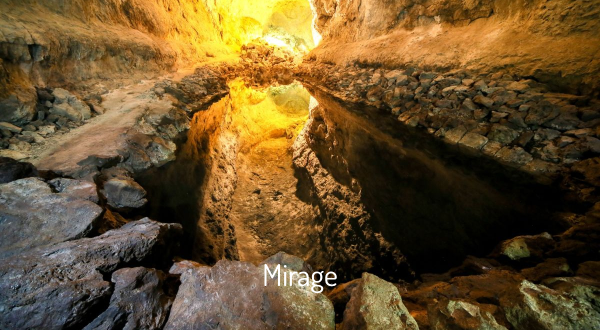
Mirage is an optical illusion. Like seeing water on a hot road.
9. Aurora
(Noun)
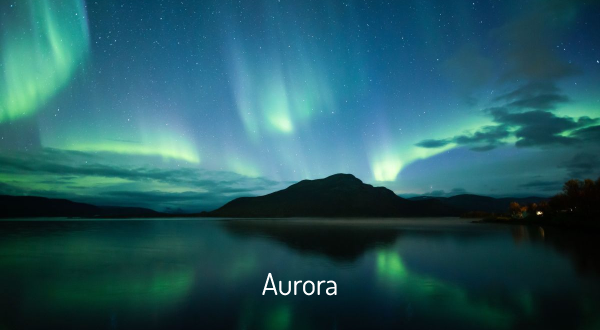
Aurora is a natural light display in the sky. The Northern Lights are an example of an aurora.
10. Delta

(Noun)
Delta is the land, shaped like a triangle, at an area of a river where the river splits into several outlets and spills out into a bigger body of water – like an ocean. Deltas are often rich in nutrients and wildlife.
11. Sylvan

(adjective)
Sylvan means related to the woods or forest.
When you think of sylvan, think of lush, green forests and peaceful groves.
12. Cynosure
(Noun)
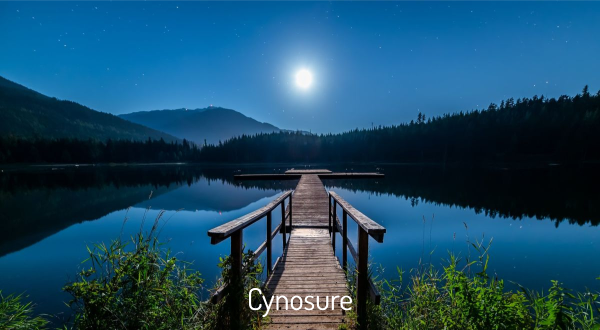
Cynosure is something that attracts attention. A bright star or a very popular person can be considered a cynosure.
13. Serene
(Adjective)
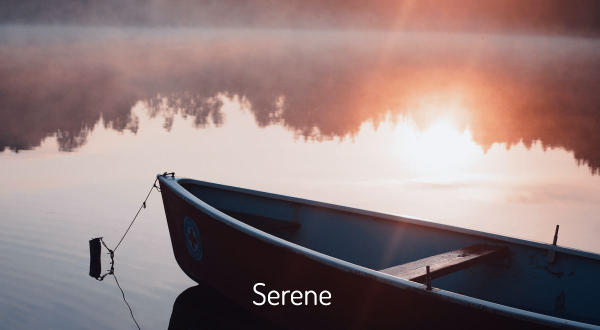
Serene means calm and peaceful. A quiet morning by the lake is serene.
14. Idyllic

(Adjective)
Idyllic means extremely happy and peaceful.
A perfect summer day, a small village, or quiet beach can be considered idyllic.
15. Sonorous

(Adjective)
Sonorous is a sound that is deep, full, and rich in tone. For example, a deep voice, a bass drum, thunder, and a cello can be considered sonorous.
16. Atoll
(Noun)
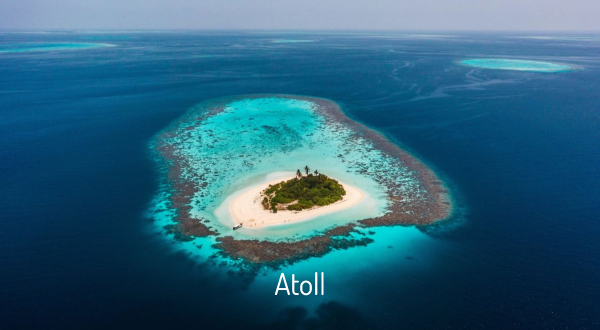
An atoll is a ring-shaped reef, island, or chain of islands formed of coral.
Ring meaning, the land surrounds water, like a lagoon, in the middle.
17. Zenith
(Noun)
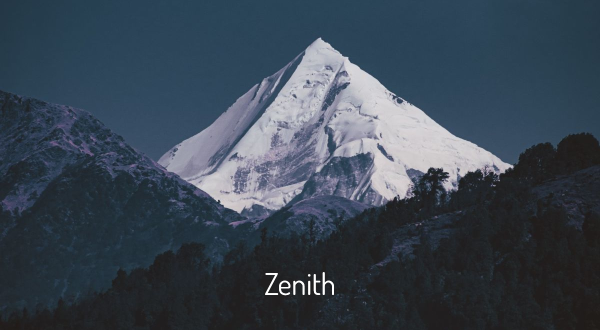
Zenith is the highest point or peak, both literally and figuratively.
In astronomy, it is the point in the sky directly above an observer.
Also, zenith can be the most successful moment in a person’s life.
18. Gossamer
(Noun + Adjective)
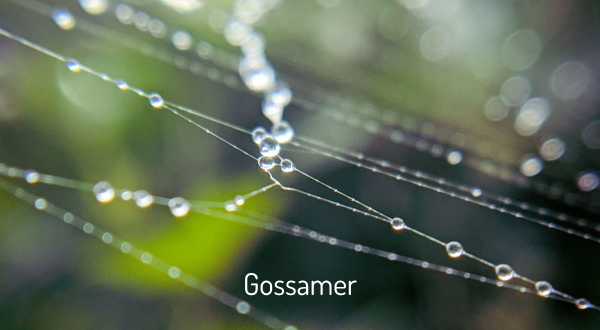
Gossamer means very light and delicate. As a noun, it’s a fine, filmy substance, like webs by small spiders.
The kind floating in the air or caught on grass or bushes.
As an adjective, gossamer is something very light, thin, and delicate.
For example, “The dress was made of gossamer fabric.”
19. Ethereal
(Adjective)
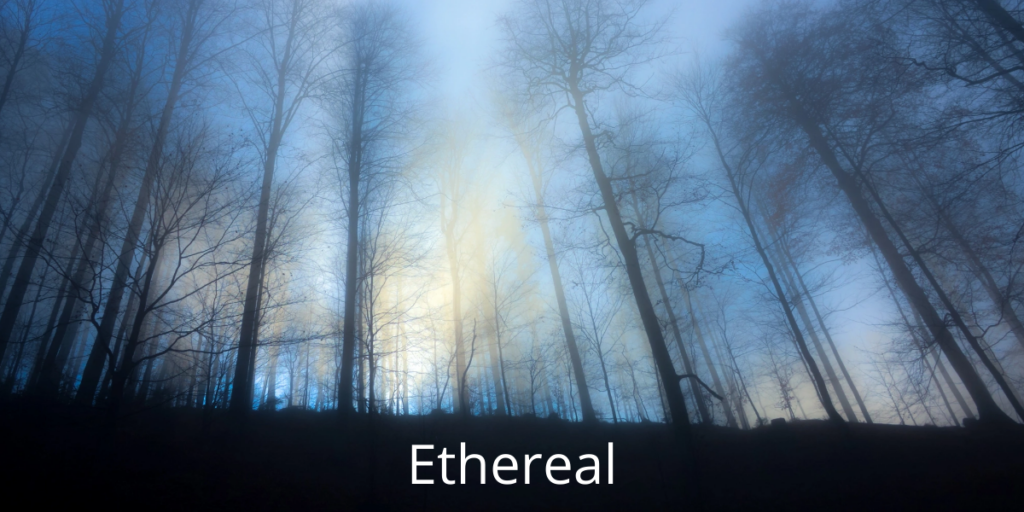
Ethereal means delicate and light, almost otherworldly.
A misty morning is ethereal. Think of a magical or heavenly light.
20. Zephyr
(Noun)
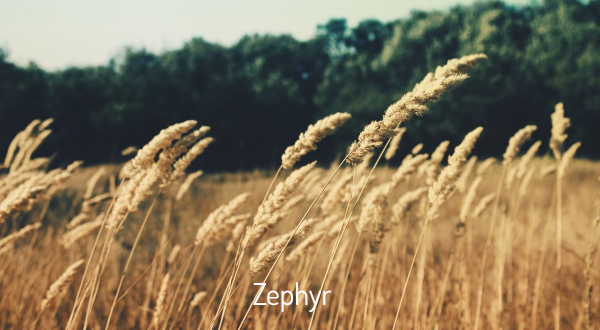
Zephyr is a soft, gentle breeze.
The kind that rustles leaves on a spring day is a zephyr.
The word is often used to create a feeling of lightness and calm, like on a spring or summer day.
21. Ephemeral
(Adjective)
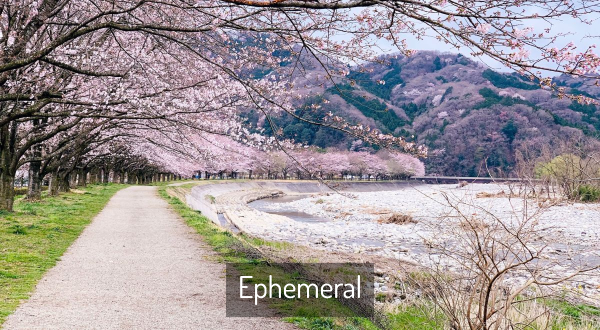
Ephemeral describes something that lasts for a very, very short time.
For example, “Cherry blossoms are ephemeral, lasting only a few weeks each spring.”
The word carries emotions of nostalgia, appreciation, and sadness.
22. Epiphany
(Noun)
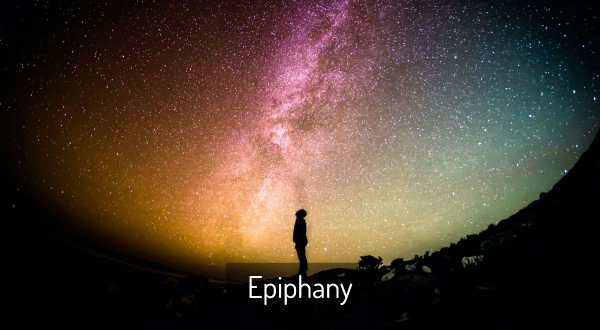
Epiphany is when you have a sudden realization or idea.
When you suddenly finally understand something.
For example, “She had an epiphany about her life while sitting on the toilet.”
23. Paragon

(Noun)
A paragon is a perfect example of something.
Meaning, the best example that you would want to follow.
For some companies, Apple is the paragon of product design.
Also, a hero, a famous person, or a genius can be a paragon of some quality.
24. Glade
(Noun)
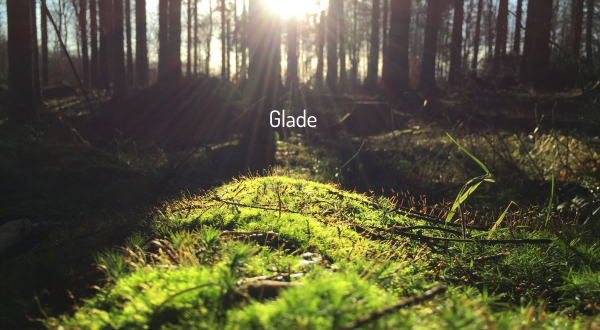
A glade is an open space in a forest.
This area is usually grassy, surrounded by trees, looks peaceful and is often sunlit.
25. Azure

(Noun + Adjective)
“Azure” is an adjective and a noun.
It describes a bright blue color, similar to that of a clear, unclouded sky.
This word is often used to evoke images of calm, sunny skies and clear, tropical waters.
26. Wildscape
(Noun)
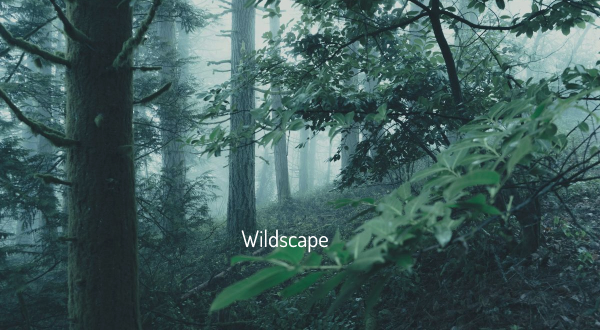
A wildscape is a natural, wild landscape.
It emphasizes the beauty and untamed quality of nature.
27. Quiescent
(Adjective)
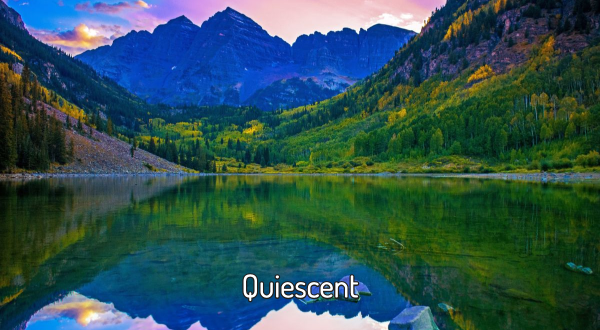
Quiescent means to be in a state of rest or stillness.
Like a lake that’s perfectly still with no ripples. The word carries peaceful scenes of nature at rest—sleeping animals, calm waters, or mountains. It has a feeling of peaceful waiting or gentle pause.
28. Maelstrom
(Noun)
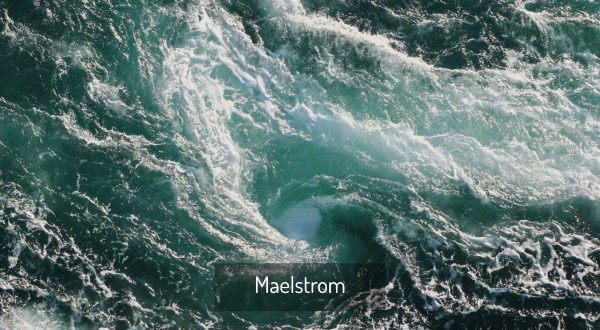
A powerful whirlpool in the sea or a river, but it can also describe any tough and crazy situation.
The word carries the image of a swirling, intense force of nature and describes complex or overwhelming situations.
28. Tranquil
(Adjective)
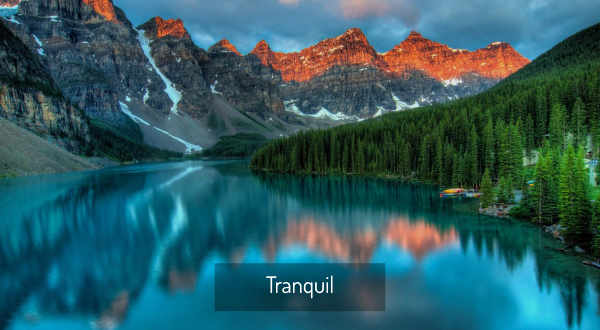
Tranquil means calm and peaceful. Like, a quiet lake at dawn is tranquil.
- Serene vs. tranquil: Unlike “serene,” “tranquil” refers to environments. Serene can describe both environments and moods and is more of a general word for calmness.
29. Ineffable
(Adjective)
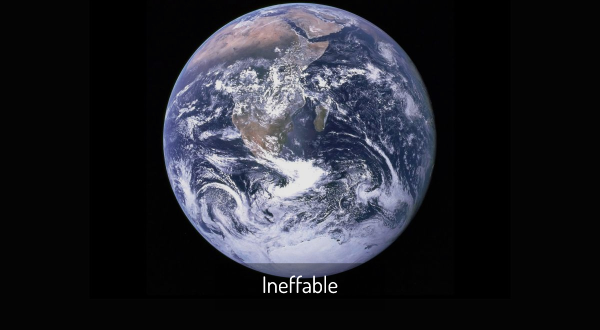
Ineffable means so amazing or extreme that words can’t describe it.
Seeing the earth from space for the first time would be ineffable.
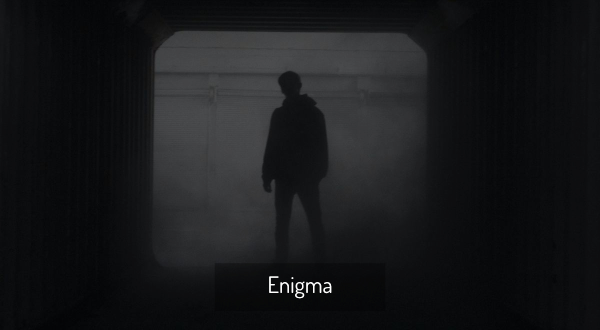
30. Enigma
(Noun)
Enigma can be a person or thing that is mysterious, puzzling, or difficult to understand.
This word has a sense of something hidden and wanting to uncover the truth.
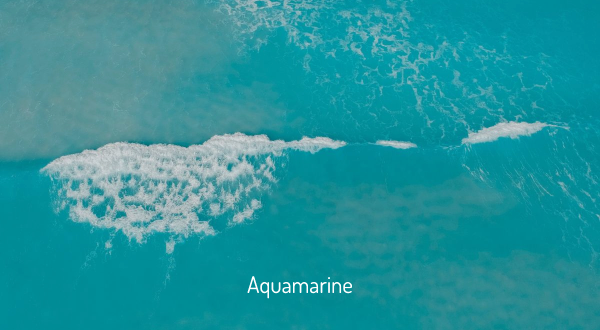
31. Aquamarine
(Noun + Adjective)
As an adjective, Aquamareine is a color that is a light blue or greenish-blue. Like a tropical sea.
As a noun, it’s the name of a gemstone that is a transparent, pale blue to greenish-blue. The name comes from the Latin words for water (“aqua”) and sea (“marina”).
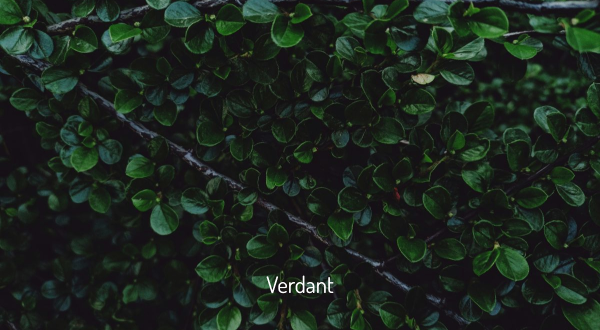
32. Verdant
(Adjective)
“Verdant” describes a place that is green with grass or other plants.
The word has sense of lushness and growth and is used to describe very green landscapes, gardens, and forests.
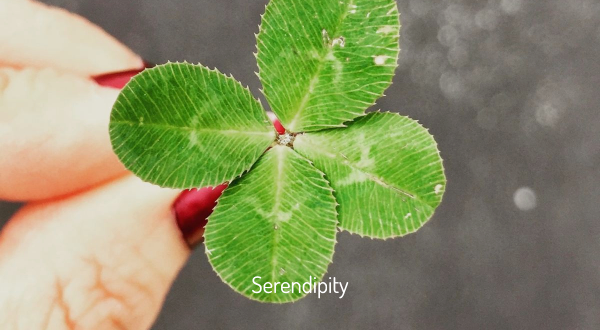
33. Serendipity
(Noun)
Serendipity is an unexpected, good thing that happens to you.
Like finding something good without actually looking for it — a hundred dollars in your jeans,
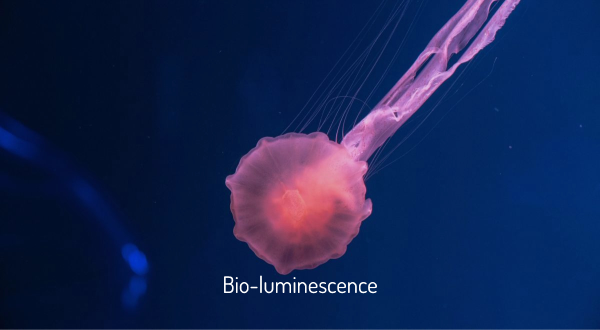
34. Bio-luminescence
(Noun)
“Bioluminescence” describes how some living things make their own light.
Like plankton lighting up the ocean waves, fungi glowing in the dark, or fireflies glowing in the evening.
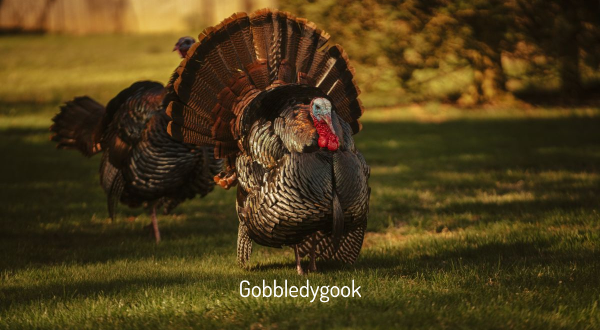
35. Gobbledygook
(Noun)
Gobbledygook is language that is meaningless or difficult to understand because it is full of jargon and complicated words.
The word comes from the sounds made by turkeys.
36. Snafu

(Noun)
“Snafu” is actually an acronym and stands for “Situation Normal: All F**ked Up.” It comes from the US military and is used to describe a chaotic situation. In other words, where things go wrong.
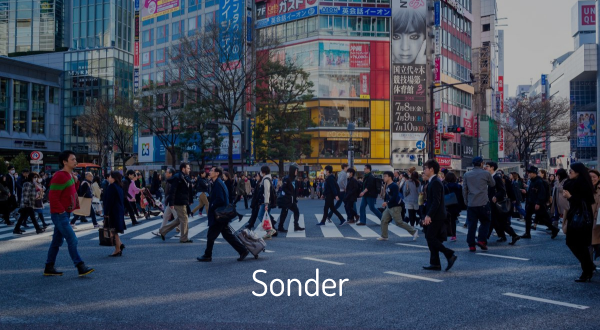
37. Sonder
(Noun)
Sounder is a profound realization that every stranger you pass by is living a complex life with their own experiences, thoughts, feelings, and struggles.
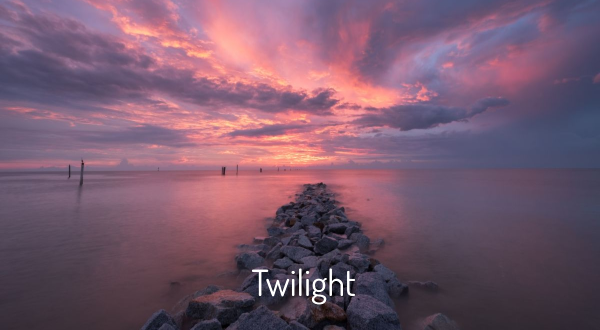
38. Twilight
(Noun)
“Twilight” is refers to the color of the sky when the sun is just below the horizon, either after sunset or before sunrise. When you see a gradual fading of daylight or a gradual brightening of the night sky.
39. Quintessential
(Adjective)
“Quintessential” describes something that is the most perfect or typical example of a particular quality or class.
You may wonder if it’s similar to a word above — paragon. (Paragon vs. quintessential) Paragon is a noun and quintessential is an adjective.
40. Quasar
(Noun)
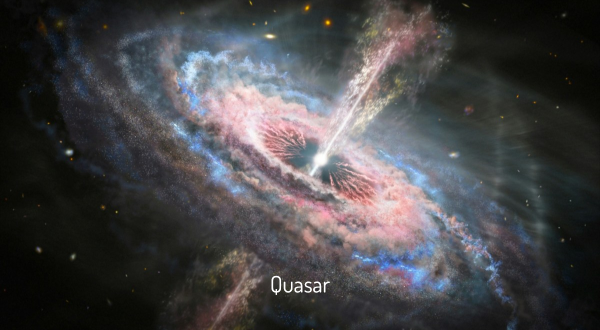
A quasar is very bright and distant active galactic nucleus (meaning, the center of the galaxy around which everything spins – it’s not a star.) Quasars are some of the brightest objects in the universe.
41. Solstice
(Noun)
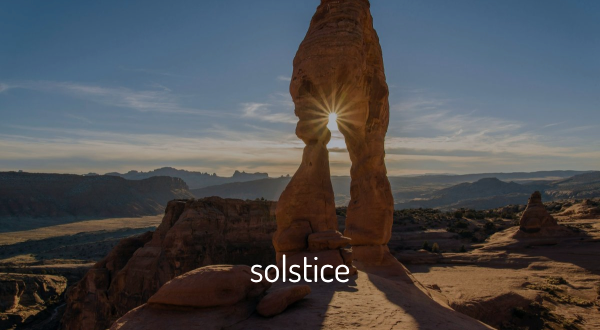
“Solstice” refers to one of the two times in the year when the sun reaches the highest or lowest point in the sky at noon. For us, that means the longest and shortest days of the year — the winter solstice and the summer solstice.
42. Nova
(Noun)
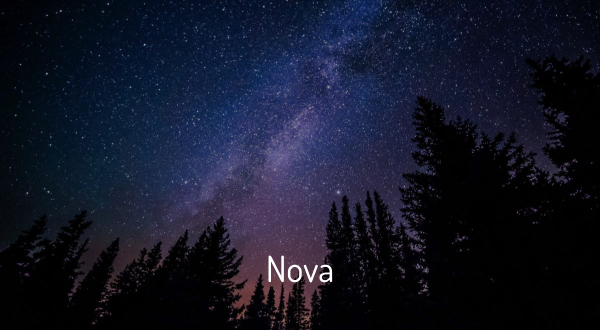
A nova is a star that suddenly gets brighter and then slowly fades back to its original luminosity over a short period — like, weeks or months. The word itself comes from the Latin word for “new.”
43. Tempest
(Noun)
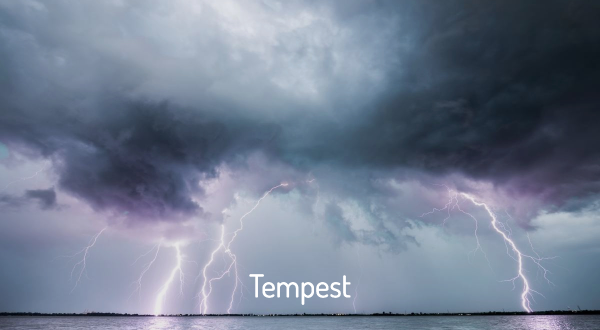
A tempest is a violent, windy storm, with rain, thunder, and lightning. You can also use tempest to describe chaotic situations
44. Cerulean
(Adjective)
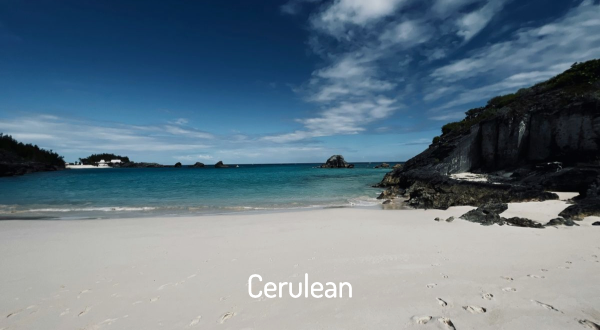
“Cerulean” describes a deep, sky-blue color. Cerulean carries images of clear, cloudless skies or clear, blue waters.
45. Turquoise

(Noun + Adjective)
As a noun, it refers to the captivating blue-green mineral. As an adjective, turquoise describes the color of clear, tropical waters. As such, turquoise has the image of images of calmness and calm tropical waters.
46. Cascade
(Noun + Verb)
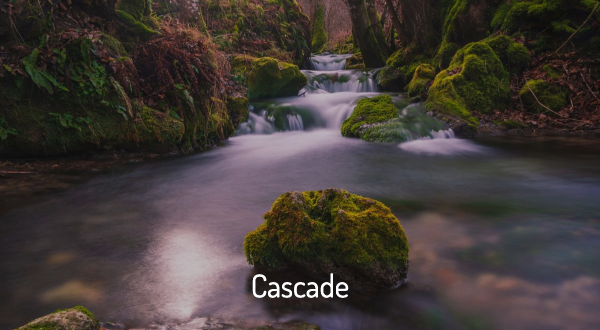
As a noun, a cascade is a small, steep waterfall or a series of waterfalls. As a verb, it describes the action of water flowing. As such, cascades carry the image and sounds of flowing water, which can be both dynamic and calm.
47. Oasis
(Noun)
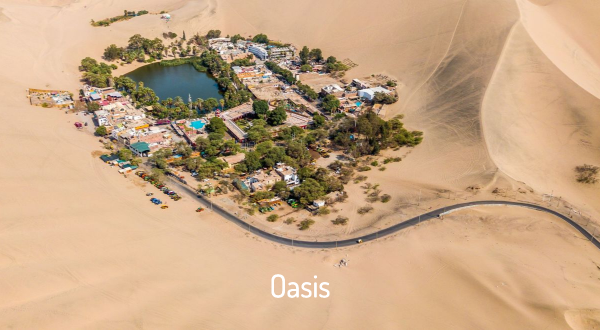
An Oasis is a fertile spot in a desert where water is found. Think of a green spot with trees, grass, and water, in the middle of a desert. The word carries emotions of serenity, comfort, and refuge.
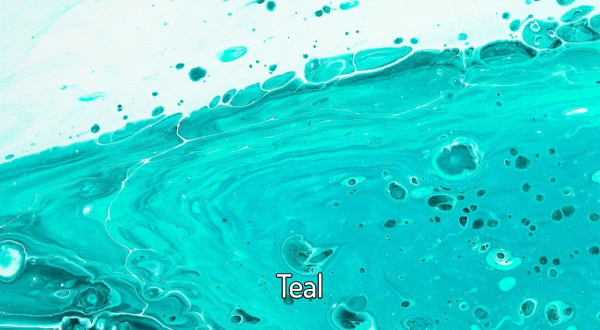
48. Teal
(Noun + Adjective)
As a noun, teal is a medium to dark greenish-blue color. As an adjective, it describes objects or elements that have this color. The color carries emotions of calmness and peace. Teal is often used in design and fashion to show elegance and tranquility.
49. Lilac
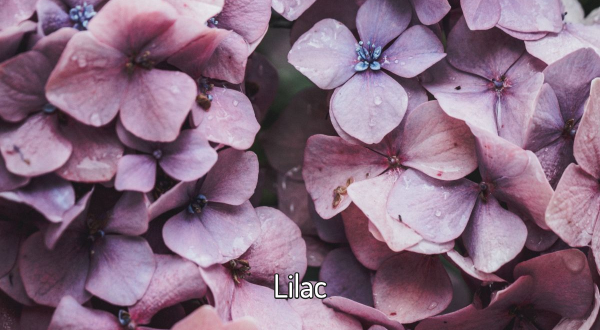
(Noun + Adjective)
As a noun, it refers to a pale, light purple color, and a flowering plant that produces blooms in this color. As an adjective, lilac describes anything that possesses this delicate color. Lilac symbolizes springtime, renewal, and freshness.
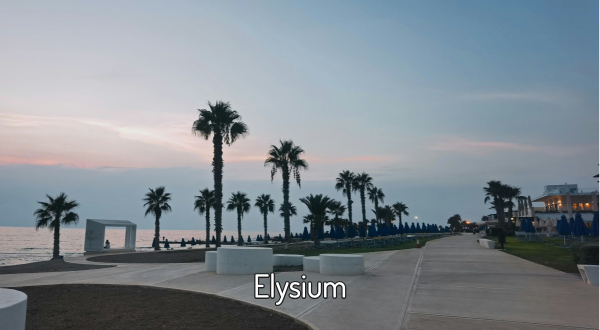
50. Elysium
(Noun)
Elysium is a place or state of perfect happiness and bliss, often used in literature and mythology to describe a paradise afterlife. Elysium symbolizes ultimate peace, contentment, and eternal joy, evoking images of lush, idyllic landscapes where harmony and beauty reign
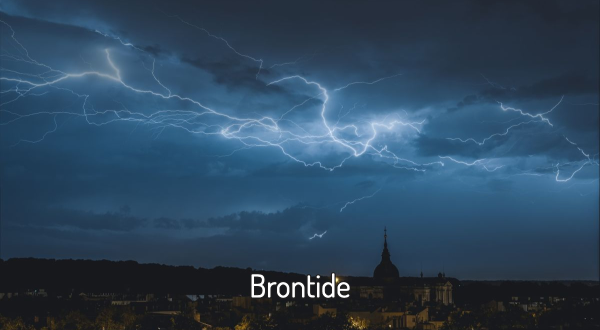
51. Brontide
(Noun)
Brontide is low rumbling sound that sounds like distant thunder. You’ll often hear it in some parts of the world, usually as a result of seismic activity or the natural movement of the Earth’s crust.
52. Senescence
(Noun)
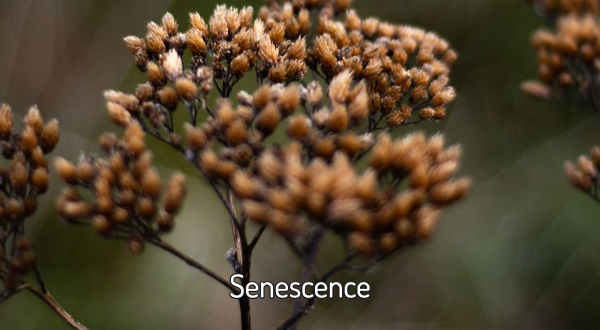
Senescence is refers to the process of aging or the condition of growing old and the gradual decline of biological function. In general, it describes the aging process in plants, animals, and other organisms.
53. Dendrophile
(Noun)
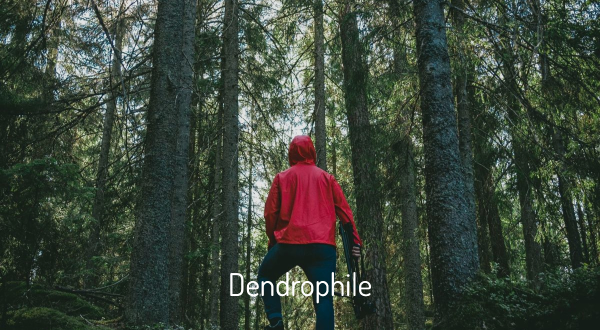
A dendrophile is a person who loves trees and forests. Are you one? Leave a comment below.
54. Ultramarine
(Noun + Adjective)
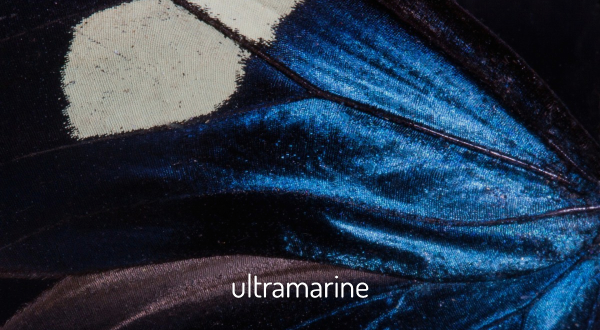
As a noun, ultramarine is a deep, vibrant blue color originally made from ground lapis lazuli, a semi-precious stone. As an adjective, it describes anything with that deep blue color that resembles this pigment.
55. Lush
(Adjective)
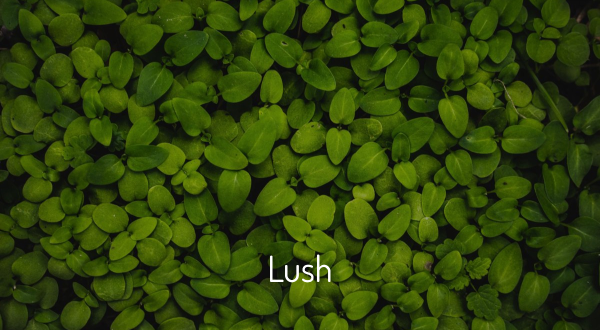
“Lush” is describes something rich, abundant, and green — often associated with plant life. It carries the image of dense vegetation that is vibrant and full of life.
56. Syzygy
(Noun)
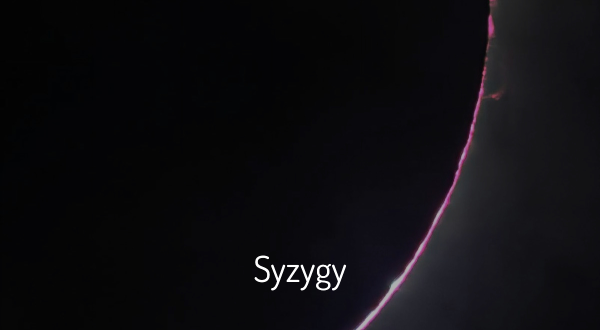
“Syzygy” is the alignment of three celestial bodies in a straight line. Like during eclipses when the Earth, Moon, and Sun align.
57. Abyss
(Noun)
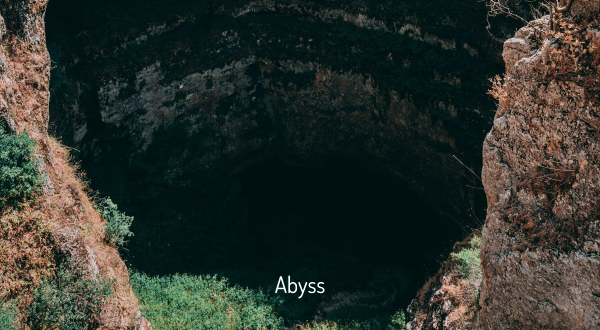
“Abyss” is a deep or seemingly bottomless chasm, often found in the ocean or other large bodies of water.
The term can also be used metaphorically to describe something profound, unfathomable, or infinite.
58. Hiraeth
(Noun)
“Hiraeth” is a Welsh noun that describes a longing for a place or home which you can’t return to.
Or for a place that was never actually yours. This word has a feeling of yearning and sadness.
59. Evanesce
(Verb)
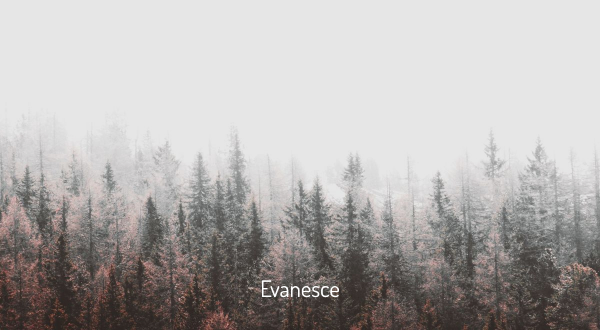
“Evanesce” means to gradually disappear, fade away, or vanish. Just like how mist, memory, or feeling slowly disappears over time.
60. Dew
(Noun)
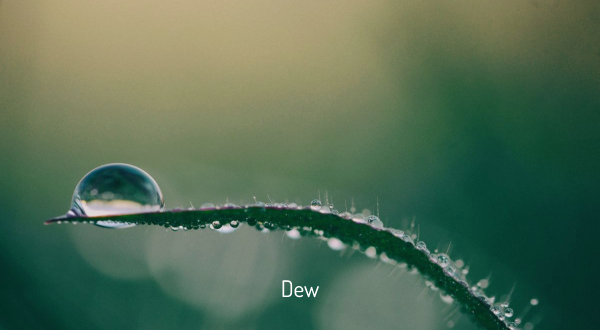
“Dew” is the small water drops you will see on grass in the early morning. You will often see it in cooler, calm weather.
There’s also the word… “Dewy,” an adjective.
You can use it to describe plants that have moisture on them. Or, something that has a fresh appearance, as if they have dew.
61. Chrysalis
(Noun)
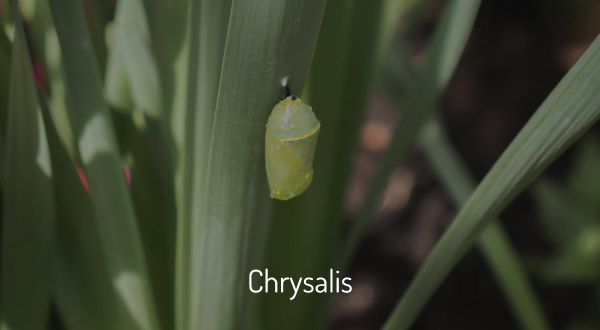
A chrysalis is a stage through which bugs like butterflies go to after the larva stage. This is where it’s just a shell, while it develops on the inside. You can use this word to describe a time of growth and chance… if you lock yourself away… or go away somewhere… and come back as a new person.
62. Wanderlust

(Noun)
Wanderlust is a desire to travel and explore new places. It’s the pull you feel to leave behind the old and familiar and explore something new. The word has the feeling of endless possibilities and new journey.
63. Resilience
(Noun)
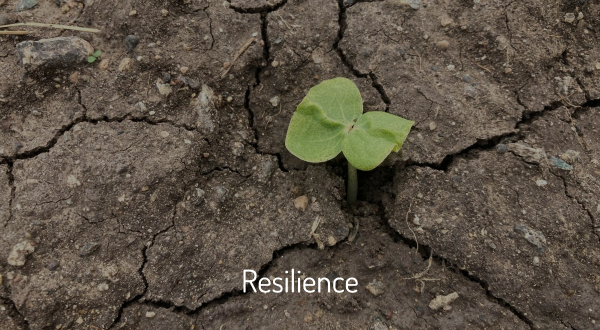
Resilience is the ability to recover and keep on going after hard times or setbacks. No matter how tough things get, there’s always a way forward — that’s resilience.
64. Luminescence
(Noun)
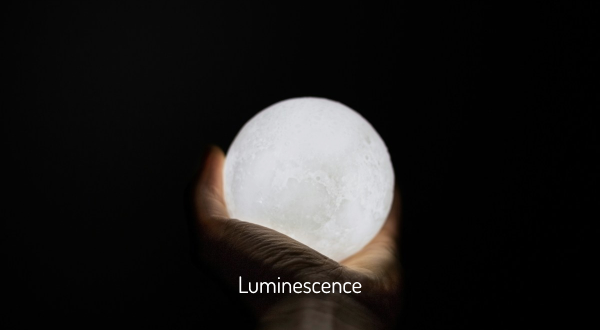
Luminescence is the soft light that glows from within, often found in nature or depicted in art.
Luminescence appears in glowing fireflies, moonlight, as well as in stained glass, candlelight, and neon signs. It’s the soft glow that draws the eye and makes beautiful.
65. Chiaroscuro

(Noun)
Chiaroscuro is the interplay of light and shadow, used in art to create depth and drama. Like sunlight piercing through a dark forest or a face lit by a single candle.
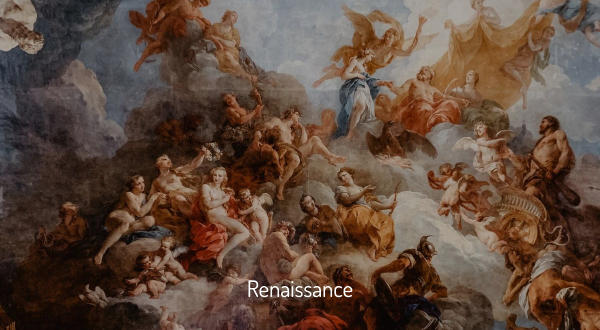
67. Renaissance
(Noun)
Renaissance is a revival of art, culture, and learning, often associated with human extraordinary creativity and rediscovery.
It’s the flowering of human expression, where art and innovation blend to transform the ordinary into the timeless.
68. Poise
(Noun)
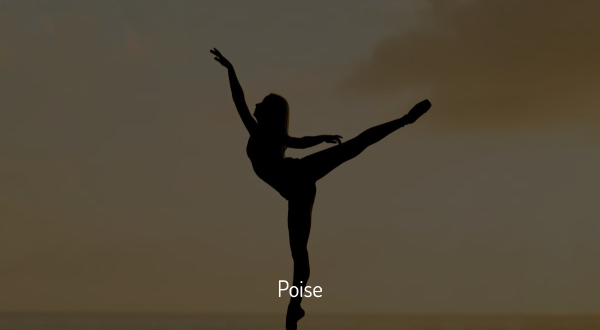
Poise is the graceful balance of elegance and composure.
You’ll often see it in a dancer’s movements or the quiet confidence of someone.
Poise has a beauty that’s effortless yet deeply refined and attracts attention without asking for it.
69. Iris
(Noun)
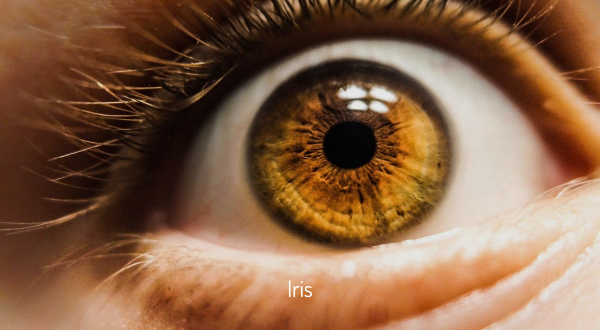
The iris is the colorful ring in your eye that controls light entering the pupil, often shimmering with unique colors — from earthy browns to deep blues, each one as unique as a fingerprint.
It’s also a type of purple flower.
70. Aura
(Noun)
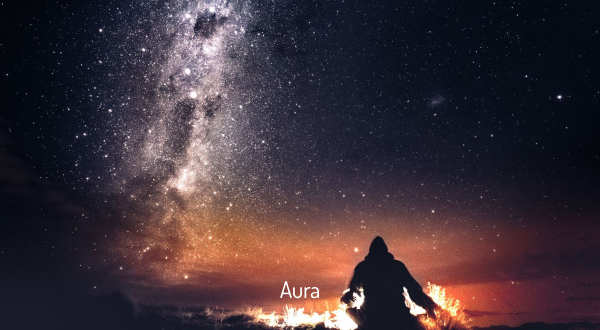
An aura is the subtle energy or presence that seems to surround a person.
You often feel it, but not see it.
It reflects their essence—calming, vibrant, or magnetic— like an invisible glow.
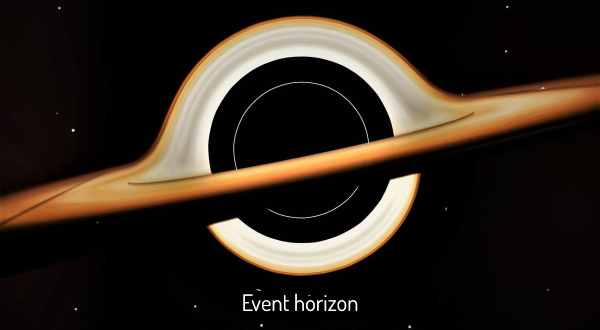
71. Event Horizon
(Noun)
The event horizon is the boundary surrounding a black hole.
A point of no return where gravity is so strong that nothing can escape.
The term “event horizon” is used because it marks the boundary beyond which no “event” can be observed from the outside.
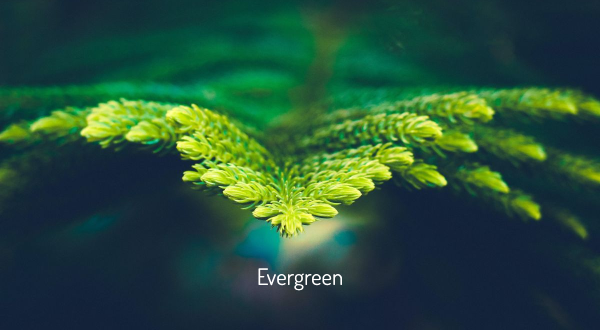
72. Evergreen
(Noun + Adjective)
Evergreen refers to plants, particularly trees, that are green throughout the year.
Evergreen as in, always green. Forever green.
Evergreen symbolizes resilience and enduring beauty — always green despite everything that happens — a quiet reminder of life’s persistent vitality.
This is one of my favorite beautiful English words.
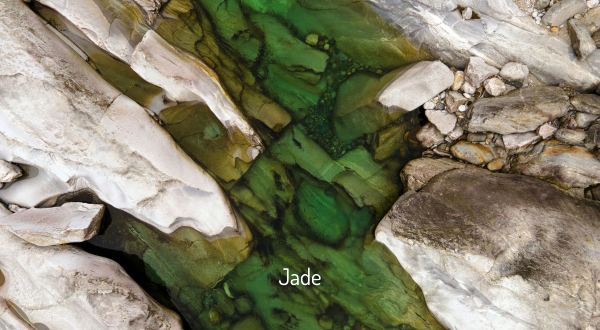
73. Jade
(Noun)
Jade is a gemstone that’s green but can also be in soft white or lavenders.
Jade has had a strong significance in various civilizations, such as Asian, Meso-american, and Pacific Island cultures.
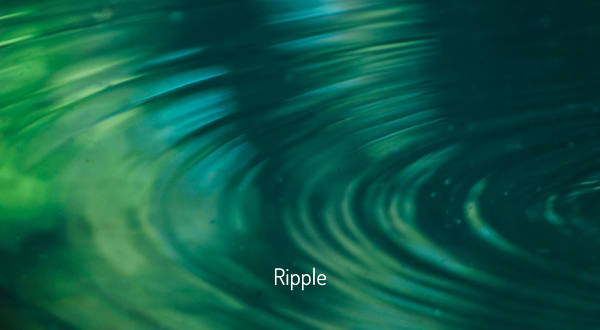
74. Ripple
(Verb + Noun)
Ripple is represents gentle movement,
As a verb, it describes the soft motion of water, like when a breeze creates small waves on a lake. It also represents the gradual spread of emotions, sensations, or effects, like laughter rippling through a crowd.
As a noun, a ripple is a delicate wave on a surface or the quiet but significant impact of a small event. The word carries the feeling of tranquility and the image of calm waters.
74. Meander
(Verb + Noun)
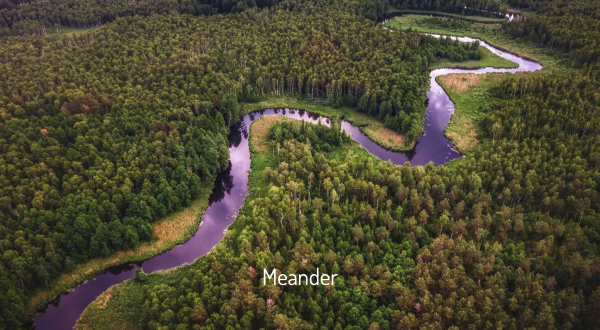
Meander is a gentle, winding motion or a relaxed, unhurried movement.
As a verb, it refers to moving or going somewhere without a goal, like a person strolling aimlessly.
So, when you wander around without any destination, lost in thought or following a winding path, you meander.
As a noun, it refers to a curve or bend, often seen in rivers or roads. The word carries feelings of tranquility and leisure.
75. Mizzle
(Noun)
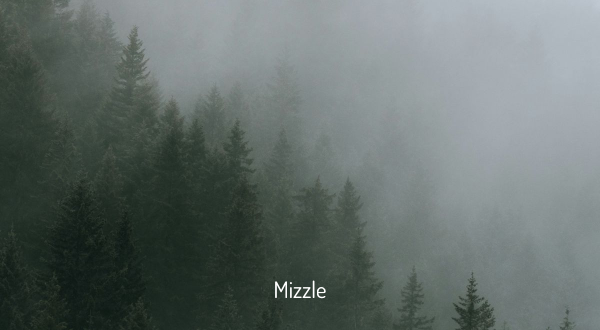
Mizzle is a fine, mist-like rain that is even lighter than drizzle. A soft, delicate precipitation that creates a subtle dampness in the air.
76. Allegory
(Noun)
An allegory is a story, poem, or any kind of art art where characters, events, and details represent ideas, moral lessons, or broader truths. Allegories are used to show deeper meanings beyond the surface story.
A simple example of an allegory is “The Tortoise and the Hare”, the classic fable by Aesop.
On the surface, it’s a story about a slow tortoise racing a fast hare. However, it also teaches the lesson that perseverance and consistency can succeed over arrogance and speed.
77. Shimmer
(Verb + Noun)
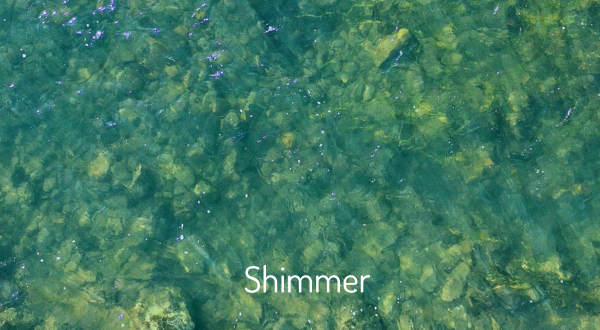
As a verb, shimmer means to shine with a soft, flickering light. As a noun, a shimmer is that shining light itself. Water under sunlight can shimmer, for example. One’s eyes can shimmer if they’re excited, inspired, or feeling hopeful.
78. Crystalline
(Adjective)
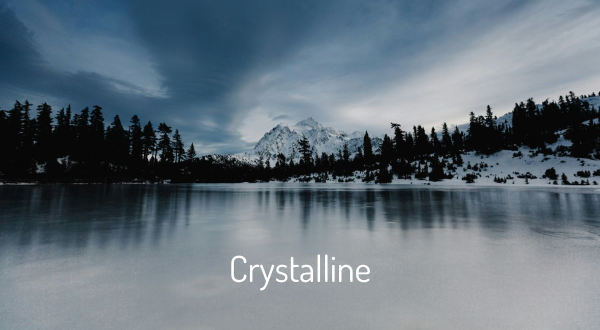
Crystalline is something that is clear, transparent, or resembling crystals. A frozen lake, with its smooth, glass-like surface, is a perfect example of something crystalline.
79. Rime
(Noun)
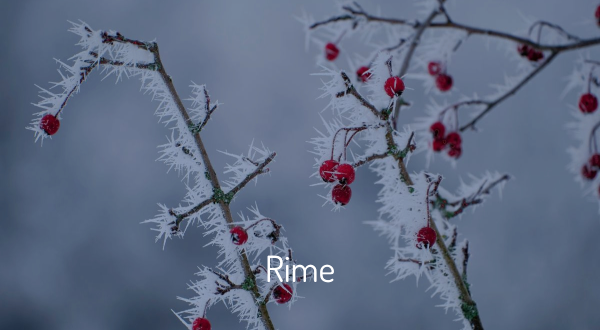
Rime is a thin layer of frost or ice that forms on cold surfaces, like on tree branches or windows. It often appears as feathery or crystalline patterns, transforming ordinary landscapes into scenes of quiet enchantment.
80. Fuck
You’re probably wondering why this is on the list.
But this bad word can be an adjective, a noun, a verb, and an adverb. Bad meaning, sure. Variety of uses, yes. Worthy of being called beautiful? No according to some. But to me, why not?
Back to You
What did you think of this list of beautiful English words?
I mean… except that last word which you’d probably disagree with.
Which of these words did you like most?
Leave a comment.
I read ’em all.
You may also be interested in —
[…] Beautiful English Words […]