Hello Junkie!
How would you say Merry Christmas in Japanese?
Or have a Happy New Year in Japanese?
Read this ’til the end. This will take you 3 minutes!
In the spirit of the season, you’re going to learn the Top 10 Japanese Holiday Phrases! Yes, that includes Christmas, the New Year, Kwanzaa AND Happy Hanukkah in Japanese. It’s not too hard either. You’ll need these phrases for the Holiday season if you’re a Japanese learner.
These come with:
- Romanization or Romaji versions
- Meanings, Translations, Explanations
- Audio Pronunciation
| Want a bundle of 30+ Japanese PDF Lessons? These colorful and printable PDFs teach you Japanese phrases… and they’re free for new learners. Click here to get Japanese PDF Lessons.  |
1. Meri- kurisumasu
- Merry Christmas in Japanese is…
- メリークリスマス!
This is an easy one. You’ll find (if you listen to the audio above) that the pronunciation is VERY CLOSE to English.

You should also listen and hear real Japanese – Press play below. Try this free Free Audio Lesson form JapanesePod101.com (click here to visit). You will hear the pronunciation for all of the Japanese holiday greetings.
Now that you know how to say Merry Christmas in Japanese, here are some bonus Japanese Christmas phrases.
Instead of a Merry Christmas, you can also say…
Have a fun Christmas!
- 楽しいクリスマスを
- Tanoshii Kurisumasu o

And if you want a girlfriend…
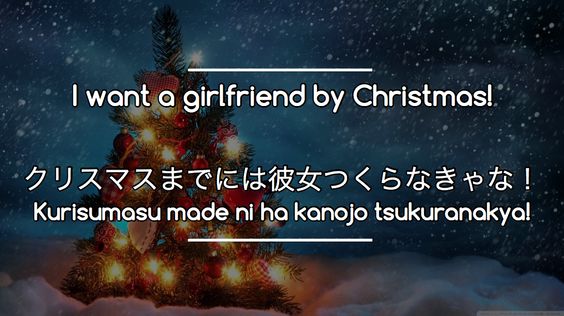
- I want a girlfriend by Christmas!
- クリスマスまでには彼女つくらなきゃな!
- Kurisumasu made ni ha kanojo tsukuranakya!
2. Yoi o toshi o.
Have a happy New Year! (before the year ends) – 良いお年を。
- よいおとしを。
- Yoi o toshi o.
This is a very common way Japanese people say New Year before the New Year begins. That’s right. You can only say this before the clock strikes January 1st, 12:00AM.

That means there’s a second way to say “Happy New Year” in Japanese, right after it becomes a new year.
3. Akemashite omedetou!
Have a happy New Year! (after the new year begins) 明けましておめでとう!
- あけましておめでとう!
- Akemashite omedetou!
The first word comes from the verb, 明ける (akeru – to open), so you’re essentially congratulating them the opening of the New Year. And thus, this is used when the New Year begins, to wish people to have a great new year.

You can say あけおめ or Ake-ome amongst your friends as this is more of a casual/slangy way to use this phrase.
4. Ii fuyu yasumi wo!
Have a great winter vacation! 良い冬休みを!
- いいふゆやすみを!
- Ii fuyu yasumi wo!
This is another good and generic Japanese holiday phrase to use. Japan also has a winter break which makes this phrase very much usable. Yasumi literally means day off or can also be interpreted as break or holiday. Fuyu, as we all know, is winter.

5. Mata rainen!
See you next year! また来年!
- またらいねん!
- Mata rainen!
Of course, everyone likes saying “see you next year” even though you’ll actually see them some days later. Haha, very funny. But whatever. It’s still a good Japanese holiday phrase to know.

6. ii kyuuka wo!
Happy holidays! 良い休暇を!
- いいきゅうかを!
- ii kyuuka wo!
Just a generic happy holidays in Japanese type of phrase. Yes, you can indeed use it because the holidays – meaning – Christmas and New Years – are very much a thing in Japan, although celebrated and seen a bit differently.
Basically wishing them a good break. “Kyuuka” means break but in the context of holidays, well, we’re talking about holidays.

7. Kyuuka wo tanoshinde ne!
Enjoy the holidays! 休暇を楽しんでね!
- きゅうかをたのしんでね!
- Kyuuka wo tanoshinde ne!
“Tanoshinde” is literally “enjoy” in Japanese, so it works out. You’re telling them to have fun.

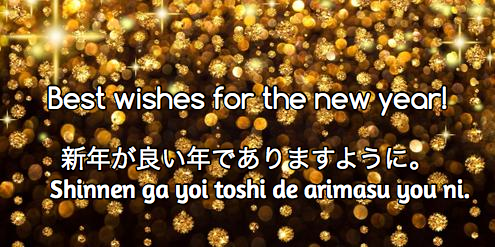
8. Shinnen ga yoi toshi de arimasu you ni.
Best wishes for the new year! 新年が良い年でありますように。
- しんねんがよいとしでありますように。
- Shinnen ga yoi toshi de arimasu you ni.
This is a bit of a long Japanese New Year’s phrase. Also very thoughtful and polite. So you may want to use it for people you genuinely want to wish well to that are older, higher status, or whom you don’t know that well yet. Like if you had a Japanese pen pal or a friend you met many years ago and still keep in touch with.
9. Hanu-ka omedetou!
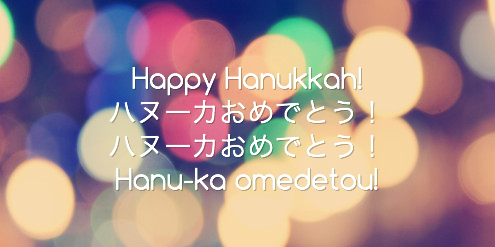
- Happy Hanukkah
- ハヌーカおめでとう!
- Hanu-ka omedetou!
Want to know how to write and say Happy Hanukkah in Japanese? Here you go. Fairly simple. Listen to the audio as well to hear how it sounds.
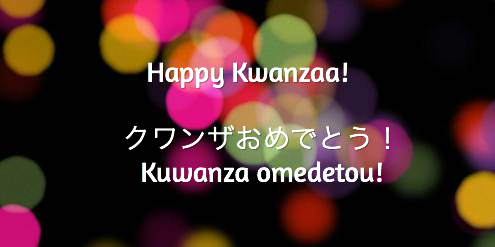
10. Kuwanza omedetou
- Happy Kwanzaa!
- クワンザおめでとう!
- Kuwanza omedetou!
Same as with Hanukkah, you can just toss in the word “Kwanzaa” instead and follow it up with “omedetou” which literally means congratulations, but on the topic of holidays and events, like birthday and graduations, it’s more of a wishing well kind of word.
Back to You
Now you know how to say Merry Christmas in Japanese. And, you also know other holiday greetings like how to say Happy New Year in Japanese.
Note: This lesson comes from JapanesePod101.com – where you can learn Japanese online with lessons and apps.
Be sure to share these when the time comes! Learning holiday greetings in Japanese is pretty important and these simple phrases are a quick way to simply know more Japanese.
What do you think?
Did I miss any phrases? Leave a comment below!
– The Main Junkie

The hiragana for number 8 has an error – あ instead ofま
How to say merry Christmas and a happy New year in Herbrew
how to say merry Christmas and a happy New year in japenese
The topic partical (は) should use the romaji: “wa”. Otherwise, very helpful.